

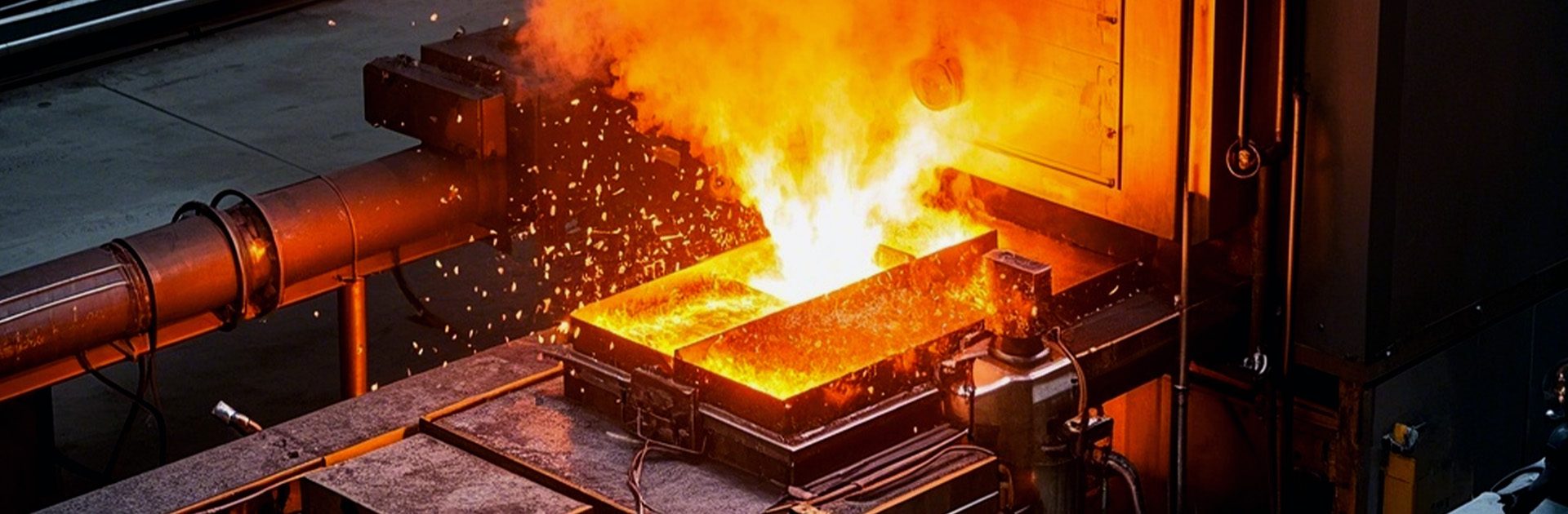
Casting room
Quality Control Process
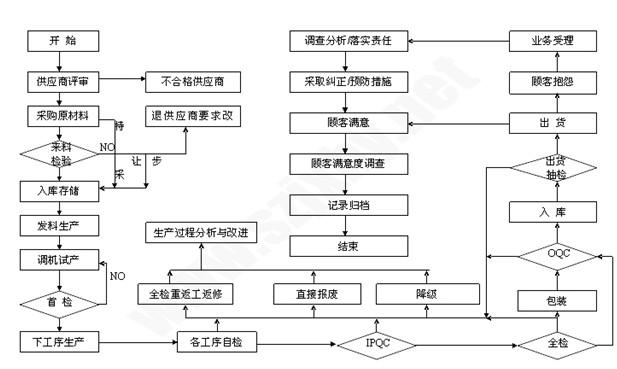
1. Incoming inspection (1QC):
1. Material inspection items and methods:
a) Appearance: Generally verified by visual inspection, tactile sensation, and comparison with samples;
b) Size: Generally verified using measuring tools such as calipers and micrometers;
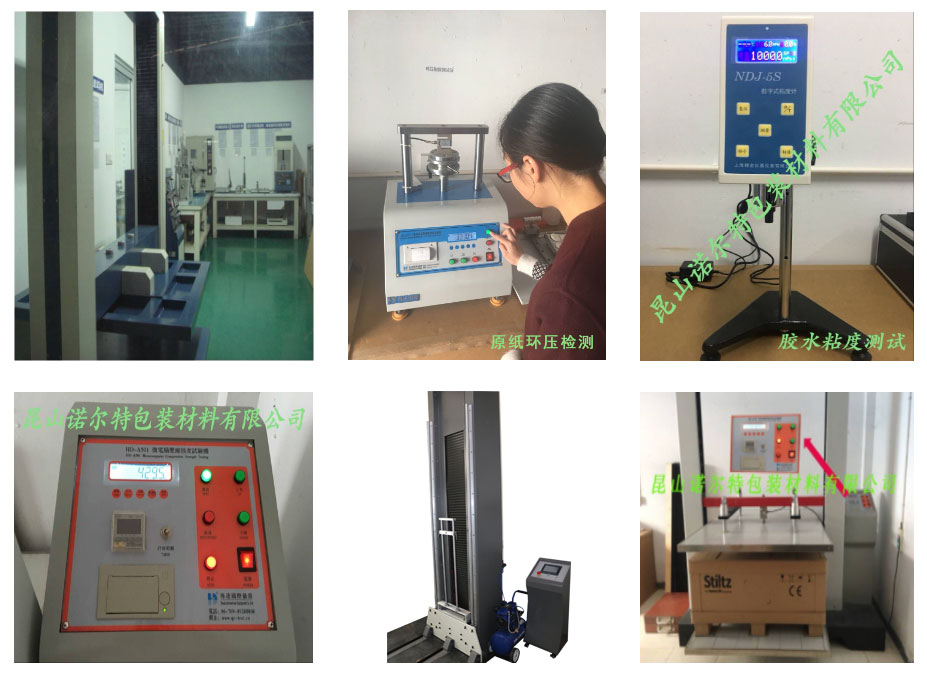
c) Physical performance testing, using testing instruments from the company's quality inspection department, comparing and verifying agreement standards
2. ② Incoming inspection method: a full inspection, b sampling inspection
③ Handling of inspection results: a) Acceptance; b) Reject (i.e. return); c) Concession acceptance; d) Full inspection (picking out non-conforming products and returning them); e) The standards for retesting 3.4 and ④ after rework include the "Technical Standards for Raw Materials and Purchased Parts", "Incoming Inspection and Test Control Procedures", "Physical and Chemical Inspection Regulations", etc,
2. Production Process Inspection (IPQC):
① The main methods of process inspection are
a) Combining first article self inspection, mutual inspection, and specialized inspection
b) Combining process control with sampling and inspection;
c) Multi process centralized inspection;
d) Inspect each process step by step;
e) Inspection after product completion;
f) Combining sampling with full inspection;
② Process Quality Control (IPQC): It is a routine inspection of the production process.
a) First article inspection;
b) Material verification;
C) Inspection: Ensure appropriate inspection time and frequency, strictly follow inspection standards or work instructions for inspection. Including inspection of product quality, process regulations, machine operating parameters, material placement, labeling, environment, etc.:
d) Inspection records should be filled in truthfully,
③ Process Product Quality Inspection (FOC): It is a fixed-point inspection or acceptance inspection aimed at verifying the quality of products after completion to determine whether the batch of products can flow into the next process. a, Inspection items: External method: Sampling inspection is generally used; c. Unqualified handling; d. Record; Observing dimensions, physical and chemical properties, etc; b. The standards for inspection ④ are: "Operation Manual", "Process Inspection Standards", "Process Inspection and Testing Procedures", etc.
3. Final inspection control: i.e. finished product shipment inspection. (0utgoing Q.c)
4. Feedback and handling of quality abnormalities:
① Self judgment, directly notify the operator or workshop to handle immediately
② If one cannot make a judgment on their own, they should present a defective sample to the supervisor for confirmation, and then notify them to correct or handle it
③ Abnormal situations should be recorded truthfully;
④ Confirm corrective or improvement measures and track their effectiveness
⑤ Clear status identification should be made for the inspection of semi-finished and finished products, and relevant departments should be supervised to isolate and store them.
5. Quality records: provide objective evidence for completed quality work activities and results
a) Must achieve: accuracy, timeliness, clear handwriting, completeness, and stamped with inspection seal or signature b) Also, must achieve: timely organization and archiving, and storage in a suitable environment.
Quality Control Flow Chart: